WE ARE OFFERING FREE EXCESS
Car Insurance Excess: The Fee You Might Not Have to Pay
Home » Car Insurance Excess: The Fee You Might Not Have to Pay
Most drivers assume paying an excess is just part of making a claim, full stop. But if someone else caused the accident, that assumption can cost you money you never actually owed. Before you hand over a card number, it’s worth knowing exactly when an excess applies and when it doesn’t.
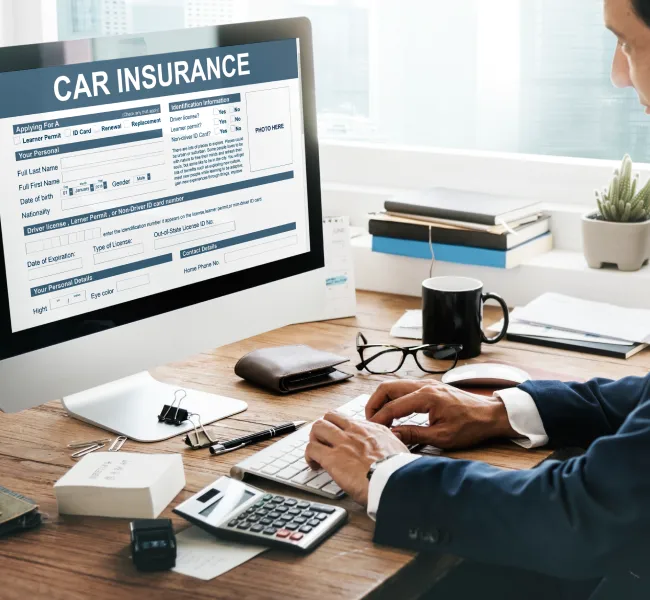
How Does Car Insurance Excess Work?
How does car insurance excess work in practice comes down to a simple trade-off: your excess and your premium move in opposite directions. Choose a higher excess, and your premium usually drops. Choose a lower excess, and your premium usually rises.
According to RACV, most insurers also add extra excess layers on top of your basic amount, such as an age excess for younger or less experienced drivers. The total you’d pay can end up higher than the headline figure on your policy.
The excess itself is set out in your policy documents. It applies at the point a claim is approved, not before, and the amount can vary depending on the type of incident.
Do I Have to Pay Excess If I'm Not at Fault?
Do I have to pay excess if not at fault is one of the most common questions after an accident, and the honest answer is: usually not, but not automatically.
If the at-fault driver is clearly identified and insured, their insurer covers your repair costs. You generally won’t pay any excess at all, since the claim is covered under their policy rather than yours. This is the situation most not-at-fault claim drivers find themselves in.
That said, many policies still charge an excess regardless of fault. Waivers only apply in specific circumstances set out in your contract.
A common trigger is not being able to identify the other driver. If you can’t get their details at the scene, your own insurer may treat the claim as unresolved fault, and an excess can still apply even though the accident genuinely wasn’t your doing.
When You Might Still Pay an Excess
A few situations can mean an excess applies even when you weren’t to blame:
- The at-fault driver can’t be identified or has left the scene
- The at-fault driver is uninsured, and you’re claiming through your own comprehensive policy
- Fault is disputed, and your insurer needs to investigate before liability is confirmed
In these cases, some insurers ask for the excess upfront and refund it once liability is sorted out. Others hold off until the outcome is clear. It’s worth asking your insurer directly which approach they take before you agree to pay anything. A good repairer can also help manage this conversation as part of handling your insurance for car repairs, so you’re not left chasing the refund yourself.
Types of Excess You Might See on Your Policy
Most Australian insurers combine a few different excess types rather than a single flat fee:
- Basic excess: the standard amount set when you take out the policy
- Age excess: an extra amount for drivers under 25, or newly licensed drivers with limited experience
- Special excess: applied to specific vehicles, drivers, or incident types based on risk
These can stack. A young driver in an at-fault accident might owe both the basic and age excess together, which adds up faster than the policy summary suggests at a glance.
Should You Even Claim, or Pay Privately?
Sometimes the smarter move is skipping the claim altogether. If the repair cost is close to or less than your car insurance excess, paying privately can work out cheaper and avoid any impact on your no-claim bonus. This mainly matters for minor, at-fault damage.
For hail and storm damage, the math is different again, since a single event can affect multiple panels at once. If you’re weighing up your options after a storm, our guide to car hail damage repair covers how PDR and traditional panel beating are usually priced against your excess.
Get a Clear Answer Before You Pay Anything
Car insurance excess rules aren’t always intuitive, and getting it wrong can mean paying more than you need to. Before agreeing to any excess payment, confirm who’s at fault, whether they’re insured, and what your specific policy says about waivers.
At Autobody Prestige, our team checks whether an excess actually applies before your repair begins, as part of managing your claim from start to finish. Whether you need a panel beating in Melbourne that drivers trust or a full insurance-claim handover, we’ll tell you plainly what you owe and what you don’t.
Explore Autobody Prestige in Melbourne to arrange a free assessment and find out exactly where you stand.
Google Review